
Cómo dar y pedir direcciones en inglés
Author:
Ximena Solsona
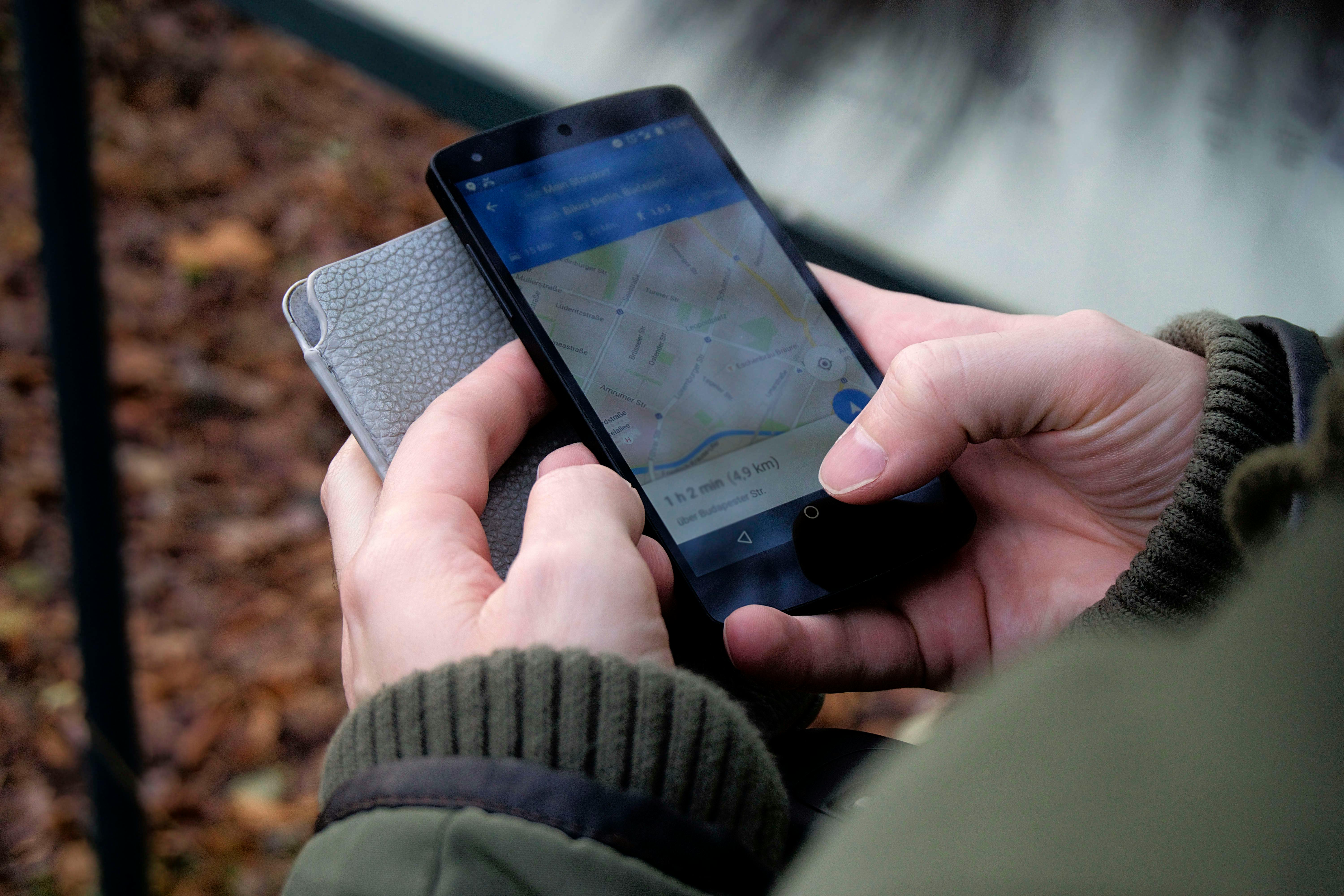
Nunca sabes cuándo vas a necesitar ask for directions o give directions. Tal vez estés viajando en una ciudad desconocida, quizá alguien se acerque a ti en la calle buscando ayuda, o incluso podría ser que, en tu propia ciudad, un turista te pregunte cómo llegar a cierto lugar. En cualquiera de esos escenarios, saber expresarte de forma clara y entender lo que te responden es fundamental. No se trata solo de saber palabras sueltas, sino de manejar frases completas, phrasal verbs y expresiones idiomáticas que hagan la conversación más natural y fluida.
Cuando pides o das direcciones en inglés, hay algo más que vocabulario: hay contexto, cortesía y claridad. No basta con decir “go straight” o “turn left”, sino que muchas veces necesitarás frases como go past, across from o just around the corner para que la indicación sea precisa. Además, usar expresiones como "Could you tell me how to get to…?" o "Can you point me in the right direction?" te hará sonar más educado y fluido, facilitando la interacción en inglés.
¿Cómo acercarte a pedir direcciones en el idioma inglés?
Si estudias inglés con un profesor o como estudiante autodidacta, este aspecto del lenguaje (que te puede salvar de dar muchas vueltas innecesarias) es bastante importante mientras aprendes el idioma.
En este artículo estudiaremos algunas frases comunes y sencillas que podrás utilizar si te encuentras en la situación de no saber hacia dónde dirigirte. Con estas simples frases podrás acercarte a cualquier persona para pedir algunas direcciones básicas. Lo primero que debes hacer es asegurarte de que tu interlocutor hable inglés y acercarte de una manera muy amable y educada. Para este propósito puedes iniciar la conversación de la siguiente forma: "Excuse me. Do you speak English?"
Si te dicen que no, da las gracias y despídete. Si la respuesta es afirmativa puedes proseguir con:
- I am new to the city/town…
- I am sorry to interrupt you but…
- Could you help me please?
- I seem to be lost...
Vocabulario básico para pedir y dar direcciones
Para dar direcciones en inglés, estas son algunas palabras clave que debes manejar bien:
Street (calle)
Avenue (avenida)
Boulevard (bulevar)
Road (carretera)
Lane (callejón)
Crosswalk (cruce peatonal)
Intersection (intersección)
Traffic lights o stoplights (semáforo)
Block (cuadra)
Corner (esquina)
Roundabout (rotonda)
Bridge (puente)
Sidewalk (acera)
Highway (autopista)
Bus stop (parada de autobús)
Train station (estación de tren)
Hospital (hospital)
Library (biblioteca)
Museum (museo)
Park (parque)
Saber estos términos desde que estudias inglés básico, te ayudará a comprender mejor las indicaciones y a describir el camino con precisión. Por ejemplo, si alguien te dice “Go two blocks down this street and turn right at the traffic lights”, sabrás exactamente qué hacer.
Frases para pedir direcciones en idioma inglés
Cuando quieras pedir indicaciones, evita ser demasiado brusco o directo. En inglés, es importante usar expresiones de cortesía para que la interacción sea amable. Algunas frases útiles son:
Excuse me, could you tell me how to get to the bank?
Hi, I’m looking for the nearest subway station. Could you help me?
Can you point me in the right direction to the museum?
Do you know where the post office is?
Is this the way to the train station?
Could you give me directions to the hospital, please?
I’m a bit lost. Could you help me find Main Street?
Sorry to bother you, but could you tell me if there’s a pharmacy nearby?
Cuando pidas direcciones, no olvides agregar please para sonar más amable: Could you help me, please? También puedes usar frases para confirmar que la otra persona entiende el idioma:
Do you speak English?
Sorry, do you understand English?
Frases para dar direcciones
Si eres tú quien tiene que dar las indicaciones, procura hacerlo con frases cortas, claras y directas. Estas son algunas estructuras que te serán útiles:
Go straight ahead (ve derecho)
Turn left/right at the traffic lights (gira a la izquierda/derecha en el semáforo)
Turn right after the bank (gira a la derecha después del banco)
Go past the supermarket (pasa frente al supermercado)
It’s next to the library (está junto a la biblioteca)
It’s across from the park (está frente al parque)
It’s just around the corner (está a la vuelta de la esquina)
Walk along this street until you see the bridge (camina por esta calle hasta ver el puente)
At the end of this road, you’ll find the hospital (al final de esta calle está el hospital)
Cross the street and take the first left (cruza la calle y toma la primera a la izquierda)
Take the second exit at the roundabout (toma la segunda salida en la rotonda)
Cuando sea posible, usa landmarks o puntos de referencia para ayudar a la persona: You’ll see a big red building; the café is right next to it.
Phrasal verbs útiles para dar indicaciones
Los phrasal verbs son muy comunes en inglés coloquial y dan un toque natural a tus indicaciones. Aquí tienes los más usados para direcciones:
Head towards – dirigirse haciaHead towards the river and you’ll see the bridge.
Go back – regresar sobre tus pasosIf you miss the turn, go back two blocks and try again.
Look out for – estar atento aLook out for a big blue sign; that’s where you turn.
Cut through – atajar porYou can cut through the park to get there faster.
Get on – subir a un transporteGet on the bus at the next stop.
Get off – bajarse de un transporteGet off at the third stop.
Turn up – aparecer, llegar (informal)The café should turn up on your left after the bookstore.
Pull over – orillarse o detenerse (en coche)Pull over at the next corner to let the passengers off.
Expresiones idiomáticas relacionadas con direcciones y ubicaciones
Para sonar aún más natural, puedes usar estas expresiones que se oyen en la calle:
You can’t miss it – es imposible no verlo
It’s a stone’s throw away – está muy cerca, a un tiro de piedra
It’s just around the corner – está a la vuelta de la esquina
Follow your nose – sigue derecho (informal)
Off the beaten track – fuera de lo común, en un lugar poco frecuentado
At a crossroads – en una encrucijada (literal o figurado)
Make a U-turn – dar la vuelta en U
Go the extra mile – hacer un esfuerzo adicional (literal y figurado)
Diferencias entre inglés británico y americano en vocabulario de direcciones
Como dato curioso, las siguientes palabras son diferentes en el inglés hablado en Estados Unidos (US) y en el Reino Unido (UK), igualmente, incluimos la traducción que tienen estas palabras en diferentes países de América Latina.
Si viajas a Estados Unidos o Reino Unido, conviene conocer algunas diferencias en el vocabulario para evitar confusiones:
| Inglés Británico (UK) | Inglés Americano (US) | Español |
|---|---|---|
| Pavement | Sidewalk | Acera |
| Car park | Parking lot | Estacionamiento |
| Roundabout | Traffic circle | Rotonda |
| Flyover | Overpass | Paso elevado |
| Petrol station | Gas station | Gasolinera |
| Zebra crossing | Crosswalk | Paso peatonal |
Consejos prácticos para entender y dar direcciones
Escucha con atención las palabras clave como left, right, block, corner, traffic lights.
Pide confirmación si no estás seguro: Sorry, could you repeat that? o Did you say turn left or right?
Usa gestos o muestra un mapa para confirmar: Is this the way?
Repite las indicaciones para asegurarte: So I go straight, then turn right at the second traffic light?
Pregunta por puntos de referencia: Are there any landmarks nearby?
Aprende frases para dar tiempo o distancia:
It’s about a five-minute walk.
It’s within walking distance.
It’s a bit far, you might want to take a taxi.
Ejemplos prácticos y diálogos de pedir y dar direcciones
Ejemplo 1:
Excuse me, could you tell me how to get to the train station?Sure! Go straight ahead for three blocks, then turn left at the traffic lights. The station will be on your right, just past the supermarket.
Ejemplo 2:
Hi, I’m looking for the nearest hospital. Could you help me?Of course. Walk along this street until you reach the roundabout, then take the second exit. The hospital is next to the park.
Ejemplo 3:
Could you show me on the map where I should go?Yes, no problem. You’ll start here, then walk straight down this road, cross the bridge, and the café will be just around the corner.
Conclusión
Dominar las frases y el vocabulario para ask for y give directions no solo es una habilidad práctica, sino que también te abre puertas para interactuar con personas de todo el mundo. Ya sea que estés explorando una ciudad desconocida, ayudando a un turista perdido o simplemente orientándote en un lugar nuevo, estas expresiones te permitirán comunicarte con seguridad y amabilidad.
Así que la próxima vez que salgas de viaje o te encuentres en una situación donde necesites pedir o dar direcciones, recuerda usar frases como Go straight ahead, Turn left, It’s next to the supermarket o Head towards the park. También, no dudes en usar phrasal verbs y expresiones idiomáticas para sonar más natural y confiado. Con práctica, esto se volverá algo sencillo y hasta divertido. ¡Nunca más te perderás! Conoce nuestro blog para más tips en inglés.