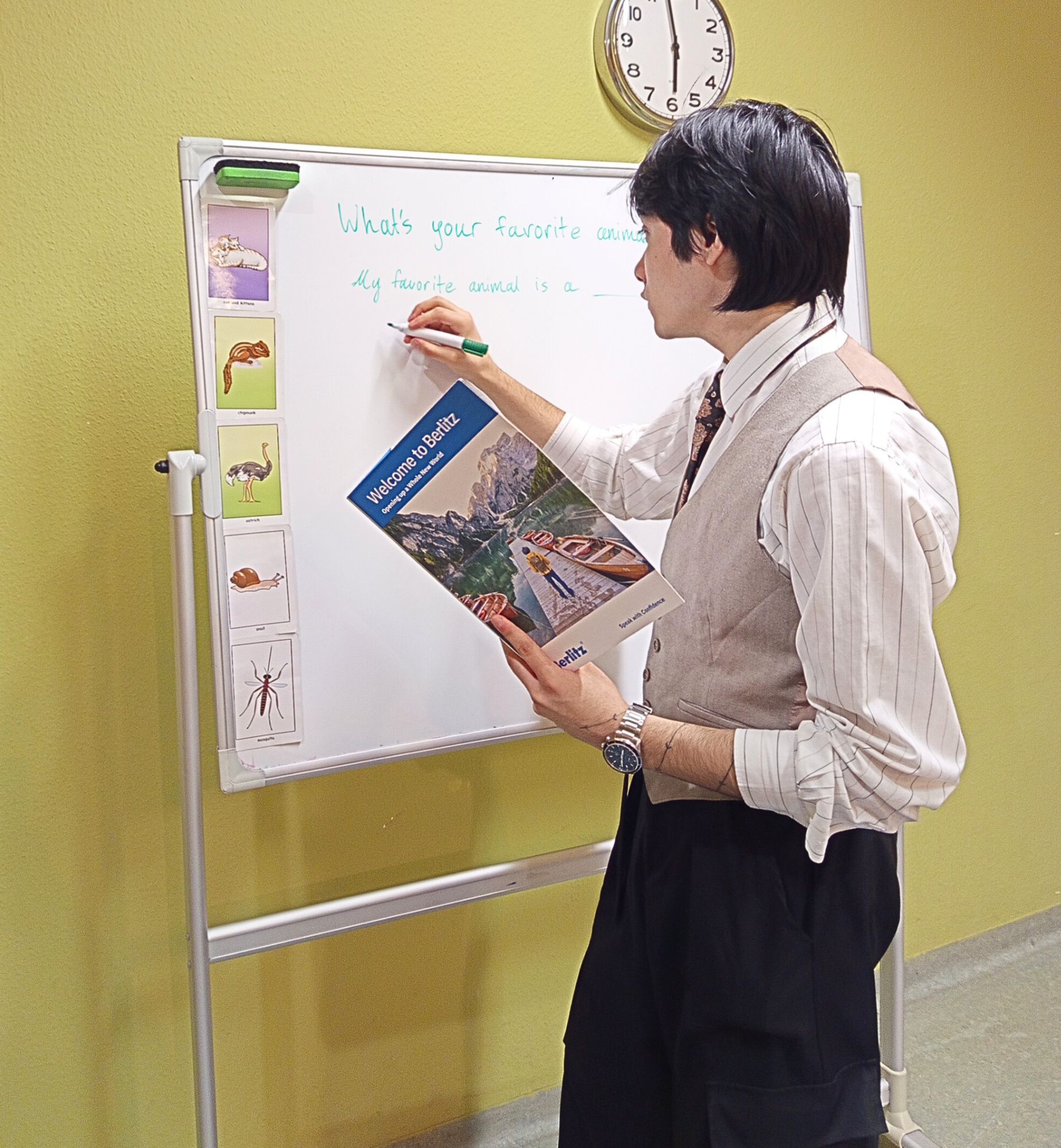
Balázs - When persistence builds confidence
The beginnings
My wife started attending Berlitz, and she had very positive experiences here. So, when I decided to pull myself together and take learning English seriously, I already had a sense of trust towards Berlitz. I had studied the language before, but without much success. I could manage written professional documentation without any problems, but I didn’t dare — and honestly, couldn’t — speak.
Then, because of my job, I found myself needing to raise my English to a higher level, especially my speaking skills — and that was a tough challenge. Partly because I’m an introvert; I generally find communication harder even in my native language.
I contacted the school, had a level assessment conversation, and based on that we started to map out my learning journey. That was 13 years ago.
Somehow, speaking became easier
My personality hasn’t fundamentally changed, but I’m much more relaxed now. I wouldn’t say all my inhibitions have disappeared, but I speak more easily - and what is surprising even for me: that I actually enjoy it.
When we speak a foreign language, the other person tends to be more understanding. We have somewhat different expectations when communicating outside our native language, and
the mere fact of having a conversation already feels like a success.
The context is different, and perhaps that also helps reduce stress for both sides.
I worked with each of my teachers for a long time, and that stability was important to me. It helped because we eventually became familiar with each other - they got to know me, and from the very beginning they adapted to me and to my interests. They know which topics engage me and what I enjoy talking about. Because of my introvert persona, it’s easier for me to speak week after week with people I already know.
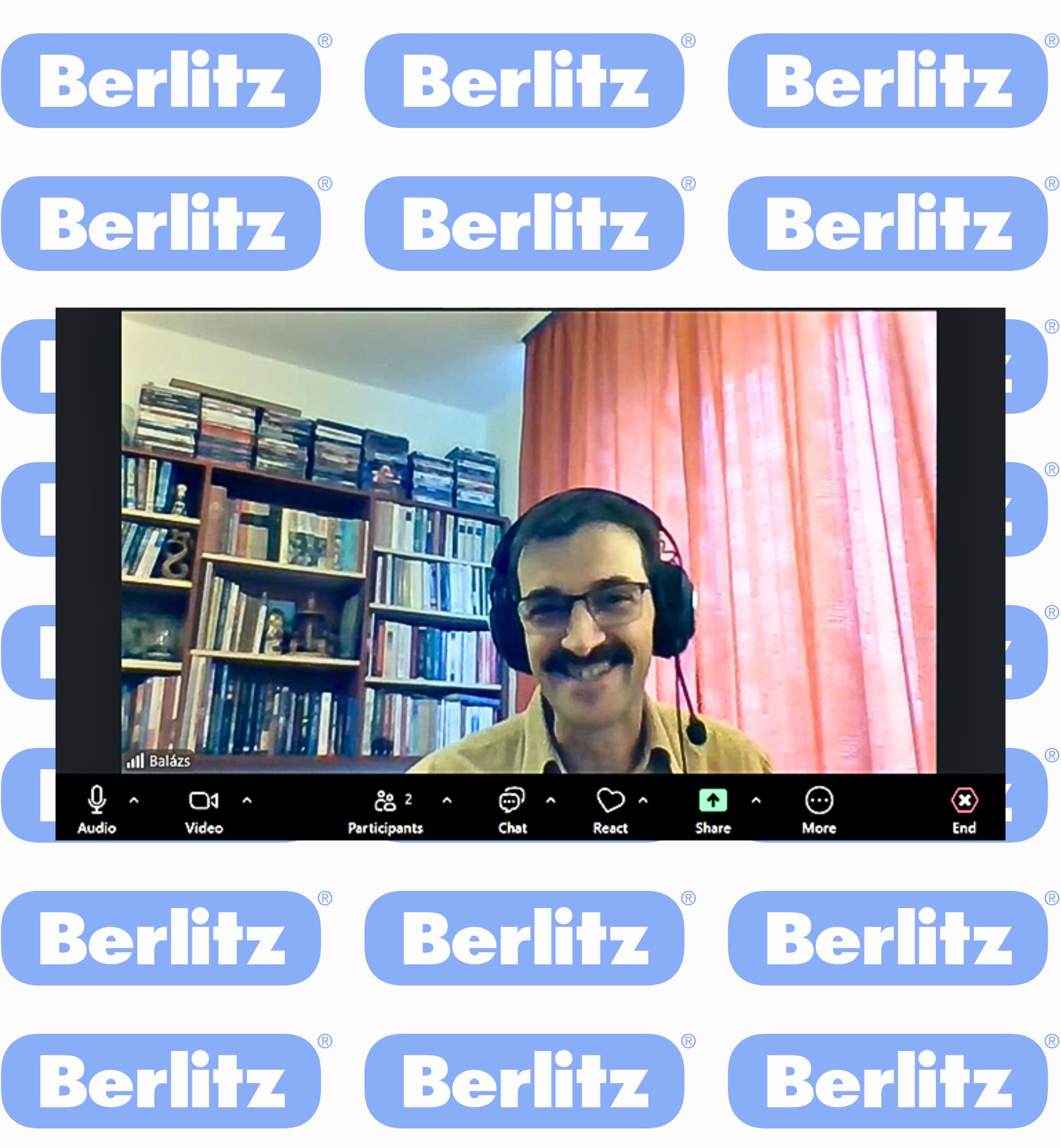
From the classroom to the online space
At first it was quite difficult, but there was no other option - I wanted to continue the course during the pandemic as well. It’s easier to communicate face to face, because you can support what you say with gestures. You can do that through a camera too, but it’s still a limited channel.
I find it very hard to communicate on the phone - in that sense, video calls are perhaps easier, yet they’re still not the same as being there in person. I noticed that I felt much more tired after the lessons; they were far more exhausting and demanding. But week by week, it got better.
And in the meantime, I realized that this setup was actually beneficial, because at work you don’t always communicate face to face either - so it gave me time to get used to video calls. Now I don’t have that problem anymore; I’ve built up resilience.
A memorable moment
If I had to highlight something from the courses, it would be that communication happens only in the foreign language - even if at the beginning it’s with gestures and improvised explanations - and that everything is tailored to my personal interests, needs, and even my little quirks, if I may put it that way.
One episode that really stayed with me was when I couldn’t understand something at all, and Stuart, my teacher, tried to explain the story from several different angles. Then there was a moment when he suddenly threw himself onto the floor and acted out falling over - I still remember my shock, because it felt so surreal to see him “crash” to the ground, lying there and still explaining, refusing to give up - and of course, in the end, the penny finally dropped.
Where am I now?
Over these 13 years, many situations came up where I had to use my English skills. Now I actually feel happy when someone approaches me or when I can start a conversation. I’m no longer intimidated - which still surprises me. I never thought I would reach this level; I didn’t even dream of it, yet somehow it happened. I didn’t become a language genius, my pronunciation isn’t perfect, and I still struggle with certain expressions because I forget them easily, but that’s not a problem - I feel that I can communicate, and I no longer feel lost.
In the past, I preferred people to contact me by email just so I wouldn’t have to speak. Now I’m more like, “Let’s just talk it through quickly,” because it’s easier for everyone.
I’ve had several teachers over the years; all of them were enthusiastic, and with each of them we discussed different topics and exchanged opinions. I truly evolved as a person by meeting so many people and talking about so many subjects. I always had the feeling that I wasn’t coming to a language lesson, but rather to a friendly conversation - and because of that I never felt nervous.