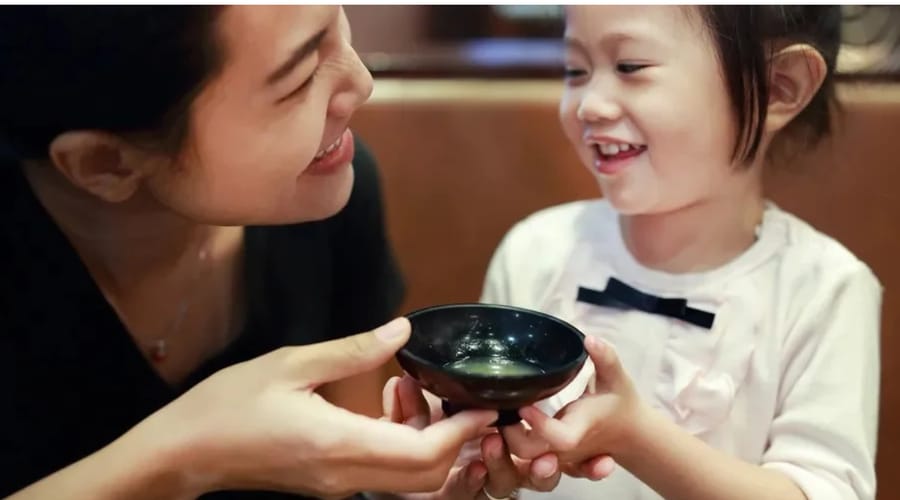
Anatomy of ‘arigato’

The word ありがとう (arigatō) is derived from the old adjective 有り難し (arigatashi), meaning rare or valuable. Over time, it evolved into the expression of gratitude used today. This cultural depth is why Berlitz UAE’s Japanese programs emphasize not only how to say words, but why they are used in specific situations - especially important for learners in multicultural cities like Dubai and Abu Dhabi. You may see different spellings: Arigatō - linguistically accurate, reflects natural pronunciation Arigato - common and casual Arigatou - corresponds to hiragana spelling All are acceptable as long as you pronounce it correctly.

How to say thank you in Japanese

Just as English offers many ways to say “thank you,” Japanese expressions range from casual to highly formal - particularly useful for business Japanese learners in the UAE.

The basics

The basics Let's start with arigatō and its variations. These expressions are commonly taught in Berlitz UAE Japanese classes, where learners practice using them in realistic social and professional scenarios.

In formal circumstances

This is where Business Japanese comes in - especially relevant for professionals in the UAE working with Japanese clients, partners, or colleagues. Use these expressions only toward people of higher status, such as senior managers, clients, or executives.

Thank you, but no thank you

Polite refusals are extremely important in Japanese culture. These phrases are especially useful in professional and hospitality settings, common across the UAE.

Appreciate without saying arigatō

Japanese gratitude often appears in unexpected forms - including apologies or acknowledgements of effort. This cultural nuance is a core focus of Berlitz UAE’s immersive teaching method, which helps learners avoid misunderstandings.

Cultural considerations

Why apologize?

In Japanese culture, expressions like すみません (sumimasen) often replace “thank you,” reflecting humility and awareness of effort made by others. In global environments like the UAE, this can sometimes confuse learners - which is why cultural training and language coaching at Berlitz UAE play such a vital role.

What about the gesture?

Bowing is a polite gesture, commonly paired with gratitude in formal settings. However, gestures like 合掌 (gasshō) are not typically used when saying thank you in Japan, despite being seen elsewhere. A simple bow and a warm smile are always appropriate - advice often shared with learners preparing for business or travel communication through Berlitz UAE.

You’re welcome in Japanese

Responding to gratitude can be tricky. Japanese speakers often downplay their role or simply smile or nod. A key note for learners in professional UAE settings: どういたしまして (dō itashimashite) should not be used toward someone of higher status.

Japanese thank you songs

Music is a powerful way to experience language and culture. Many Japanese songs explore the emotional difficulty of expressing gratitude - something learners often find fascinating during Berlitz UAE cultural immersion sessions. Examples: ありがとうの輪 by 絢香 (Ayaka) どーもありがとう by 槇原 敬之 (Noriyuki Makihara) ただ、ありがとう by MONKEY MAJIK

Yonde kurete arigatō!

I truly hope you’ll have countless opportunities to say thank you in Japanese - whether while traveling, working, or studying in the UAE’s global environment. At Berlitz UAE, learners don’t just memorize phrases; they learn how to communicate with confidence, cultural awareness, and authenticity. For structured practice, Berlitz UAE can help - whether you learn at the Berlitz Berlitz Jumeirah Centre or the Berlitz JLT Centre in Dubai. この記事を読んでくれて、ありがとう! (Thank you for reading this article!) ```