How to Say 134 Tasty Vegetables in Spanish (From Turnips to Taro)
Author:
Berlitz
In Dubai and across the UAE and the Gulf, you’ll see these words and phrases show up in real - life conversations, study, and work.
Whether you’re passionate about food or simply trying to eat healthier, learning the names of vegetables in Spanish opens the door to new flavors, cultures, and culinary experiences.
Vegetables are a cornerstone of human nutrition. They provide essential vitamins, minerals, fiber, and plant - based proteins, and they appear in nearly every cuisine around the world. Spanish - speaking countries are no exception - vegetables play a major role in everyday meals from Mexico to Spain to South America.
One of the challenges, however, is variety. Vegetables come in countless shapes, colors, and textures, which means there’s a lot of vocabulary to learn. But don’t worry - this is actually a good thing. Food vocabulary is practical, memorable, and easy to reinforce through real - life experiences.
Why Learn Vegetables in Spanish?
You’ll understand Spanish menus with confidence Ordering substitutions at restaurants becomes easier Cooking Spanish and Latin American recipes makes more sense Shopping at local markets abroad is less intimidating You’ll discover vegetables unique to Latin America In this guide, you’ll find 134 vegetables in Spanish, neatly organized by category, plus practical tips to help you memorize them quickly. Fair warning: this article might make you hungry. Let’s begin. How to Say “Vegetables” in Spanish The word vegetables in Spanish is vegetales. Pronunciation: veh - hay - TAH - les Now let’s explore the many kinds of vegetables - grouped to make learning easier.
Root Vegetables in Spanish
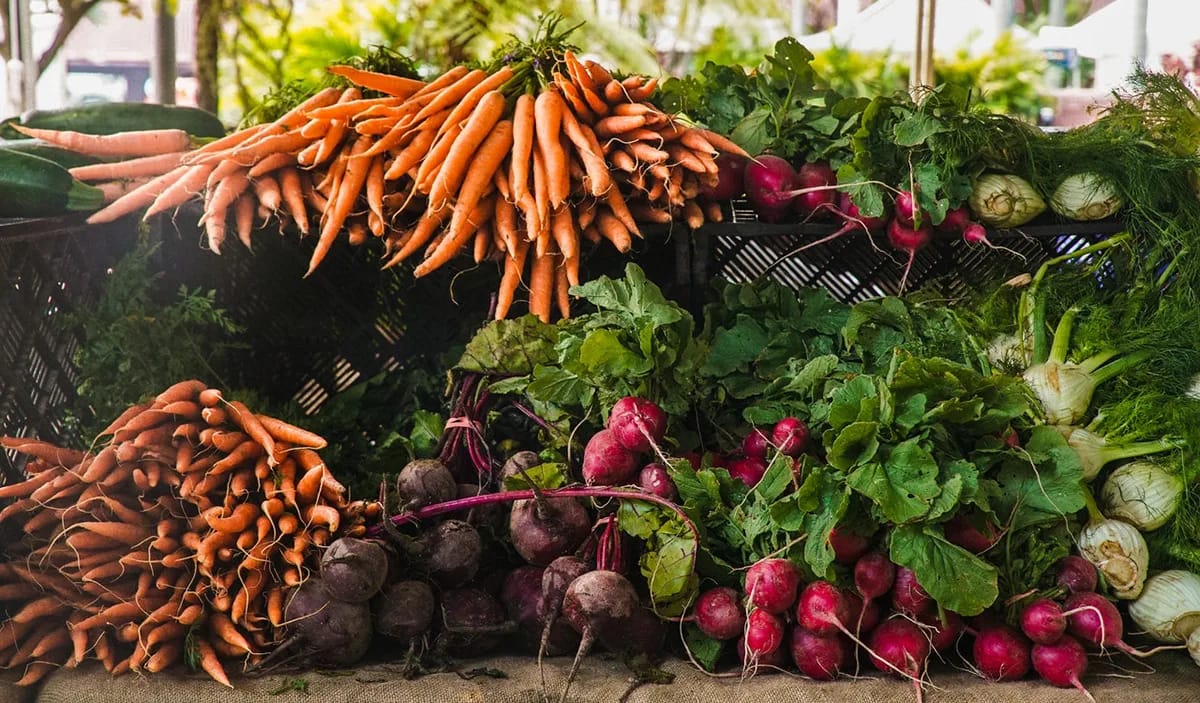
Root vegetables grow underground and are prized for their flavor and versatility.
English
Spanish
IPA Spelling
Pronunciation
Beet
El betabel
ɛl bɛtaˈβɛl
Elle bay-tah-belle
Carrot
La zanahoria
la sanaˈoɾja
La za-nah-oh-re-ah
Celeriac
El apio nabo
ɛl ˈapjo ˈnaβo
Elle ah-pee-oh nah-bow
Daikon
El daikon
ɛl ˈdai̯kõn
Elle dai-kon
Parsley Root
La raíz de perejil
la raˈis̬ ðe pɛɾeˈxil
La rah-ease day pay-ray-heel
Parsnip
La chirivía
la ʧiɾiˈβia
La chee-re-vee-ah
Radish
El rábano
ɛl ˈraβano
Elle ra-bah-no
Salsify root
La raíz de salsifí
la raˈis̬ ðe salsiˈfi
La rah-ease day sal-see-fee
Swede
La naba
la ˈnaβa
La nah-bah
Turnip
El nabo
ɛl ˈnaβo
Elle nah-boh
Horseradish
El rábano picante
ɛl ˈraβano piˈkãnte
Elle rah-bah-no pee-kahn-tay
Yucca
La yuca
la ˈɟʝuka
La you-kah
Fennel
El hinojo
ɛl iˈnoxo
El e-no-ho
Ginger
El jengibre
ɛl xɛ̃nˈxiβɾe
El hen-he-bray
Water Chestnut
La castaña de agua
la kasˈtaɲa ðe ˈaɣwa
La kas-tah-nya day ah-goo-ah
Tuber Vegetables in Spanish
Tubers are edible parts of plants that grow underground, often storing nutrients.
English
Spanish
IPA Spelling
Pronunciation
Cassava
La tapioca
la taˈpjoka
La tah-pee-oh-cah
Jerusalem artichoke
La alcachofa de Jerusalén
la alkaˈʧofa ðe xɛɾusaˈlɛ̃n
La al-kah-cho-fa day hay-roo-sah-len
Potato
La papa
la ˈpapa
La pah-pah
Taro
El taro
ɛl ˈtaɾo
Elle tah-roh
Yam
El ñame
ɛl ˈɲame
Elle nya-meh
Sweet Potato
El camote
ɛl kaˈmote
Elle kah-mo-tay
Bulb Vegetables in Spanish
Bulb vegetables are foundational in cooking and flavor - building.
English
Spanish
IPA Spelling
Pronunciation
Fennel Bulb
El bulbo de hinojo
ɛl ˈbulβo ðe i̯ˈnoxo
Elle bull-boh day e-no-ho
Garlic
El ajo
ɛl ˈaxo
Elle ah-ho
Leek
El porro
ɛl ˈporo
Elle poh-roh
Onion
La cebolla
la seˈβoʝa
La say-boh-ya
Shallot
El chalote
ɛl ʧaˈlote
Elle cha-low-tay
Chives
El cebollino
ɛl seβoˈʝino
Elle say-boh-ye-no
Red Onion
La cebolla morada
la seˈβoʝa moˈɾaða
La say-boh-ya moh-rah-dah
Scallions
El cebollín
ɛl seβoˈʝĩn
Elle say-boh-yeen
Stems and Shoots in Spanish
These vegetables grow upward and can often regrow after harvesting.
English
Spanish
IPA Spelling
Pronunciation
Asparagus
El espárrago
ɛl ɛsˈparaɣo
Elle es-pah-rah-go
White Asparagus
El espárrago blanco
ɛl ɛsˈparaɣo ˈβlãnko
Elle es-pah-rah-go blahn-co
Bamboo Shoots
Los brotes de bambú
los ˈbɾotes̬ ðe βãmˈbu
Los bro-tess day bam-boo
Celery Stalks
El apio
ɛl ˈapjo
Elle ah-pee-oh
Kohlrabi
El col rábano
ɛl ˈkol ˈraβano
Elle col rah-bah-no
Rhubarb
El ruibarbo
ɛl rwiˈβaɾβo
Elle roo-e-bar-bo
Hearts of Palm
Los palmitos
los palˈmitos
Los pal-me-tos
Lemongrass
El zacate limón
ɛl saˈkate liˈmõn
Elle za-kah-tay lee-mon
Flower Vegetables in Spanish
Flowers can be very romantic and a great way to show someone that you love and appreciate them. Flower vegetables, unfortunately, do not carry the same romantic connotations as flowers do. How romantic would it be to receive a bouquet of cauliflowers? Perhaps a foodie would appreciate the gesture (I know I would!), but you’re better off sticking to flowers for romance and flower vegetables for meal prep. But - if you’re looking for romantic ways to express love in Spanish, we’ve got another blog post for you. For now, let’s get into how to say these flowery vegetables.
English
Spanish
IPA Spelling
Pronunciation
Artichoke
La alcachofa
la alkaˈʧofa
La al-kah-cho-fa
Broccoli
El brócoli
ɛl ˈbɾokoli
Elle bro-koh-lee
Broccolini
El broccolini
ɛl ˈbɾokolini
Elle bro-koh-lee-knee
Cauliflower
El coliflor
ɛl koliˈfloɾ
Elle koh-lee-flor
Zucchini
La calabacita
la kalaβaˈsita
La kah-la-bah-see-tah
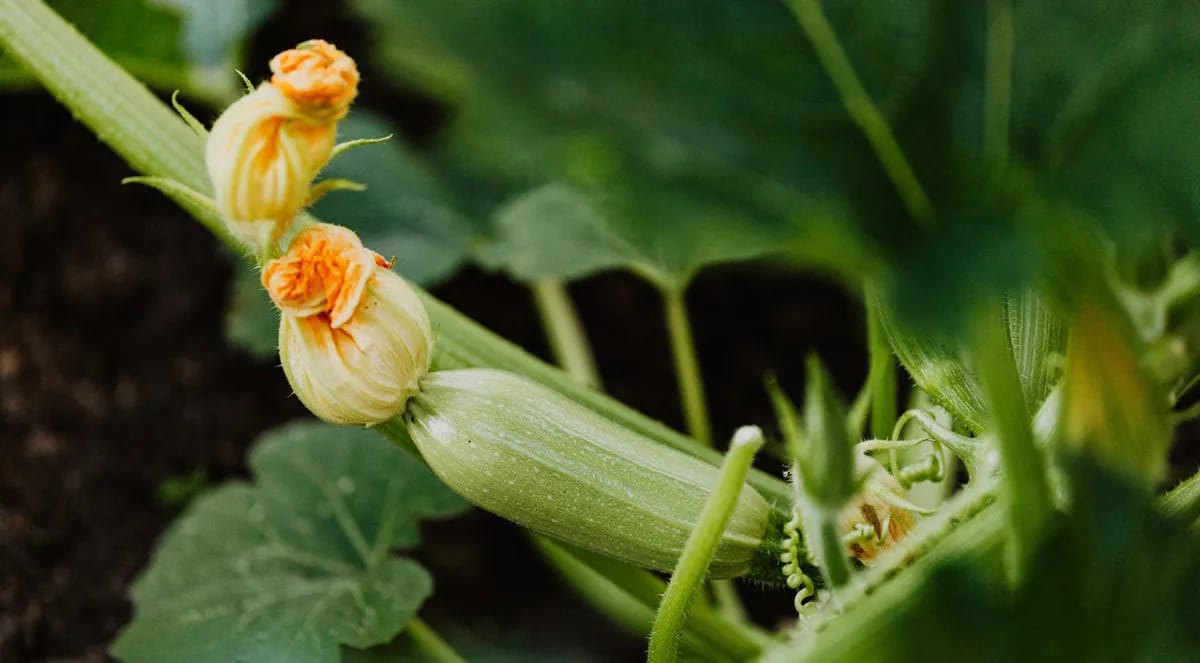
Pumpkin flower
La flor de calabaza
la ˈfloɾ ðe kalaˈβasa
La flor day kah-lah-ba-za
Mushrooms and Fungi in Spanish
Fungi are some of the most interesting organisms on Earth. Although they’re not technically classified as vegetables (or plants, even!), mushrooms and different kinds of edible fungi are treated just like other vegetables in everyday life. Here’s a table with some of the most common fungi and mushrooms in Spanish.
English
Spanish
IPA Spelling
Pronunciation
Corn Smut
El huitlacoche
ɛl wit̚laˈkoʧe
Elle wee-tlah-koh-chay
Button mushroom
El champiñón
ɛl ʧãmpiˈɲõn
Elle cham-pee-nyon
Enoki mushroom
El champiñón enoki
ɛl ʧãmpiˈɲon eˈnoki
Elle cham-pee-nyon eh-no-key
Oyster mushroom
El champiñón ostra
ɛl ʧãmpiˈɲon ˈostɾa
Elle cham-pee-nyon os-trah
Portobello mushroom
El champiñón portobello
ɛl ʧãmpiˈɲõm poɾtoˈβeʝo
Elle cham-pee-nyon pore-toh-bell-oh
Shiitake mushroom
La seta china
la ˈsɛta ˈʧina
La say-tah chee-nah
White ear mushroom
El hongo blanco
ɛl ˈõnɡo ˈβlãnko
Elle on-go blahn-koh
Truffles
Las trufas
las ˈtɾufas
Las true-fahs
Leaves in Spanish
Edible leaves are excellent sources of vitamins and nutrients. Whether you make a salad, a smoothie, or a stew with them, you know you’re nourishing your body when you cook something with leafy greens. Here are some of our favorite leaves for cooking in Spanish.
English
Spanish
IPA Spelling
Pronunciation
Bok Choy
El bok choy
ɛl ˈbok ˈʧoi̯
Elle bok choy
Brussels Sprouts
Las coles de Bruselas
las ˈkoles̬ ðe βɾuˈselas
Las koh-less day broo-seh-las
Cabbage
El repollo
ɛl reˈpoʝo
Elle ray-po-yo
Kale
La col rizada
la ˈkol riˈsaða
La kol re-zah-dah
Lettuce
La lechuga
la leˈʧuɣa
La lay-choo-ga
Radicchio
El radicchio
ɛl raˈðikʧjo
Elle rah-dee-key-oh
Chard
La acelga
la aˈsɛlɣa
La ah-sell-ga
Spinach
La espinaca
la ɛspiˈnaka
La ess-pee-nah-kah
Arugula
La arúgula
la aˈɾuɣula
La ah-roo-goo-la
Coriander
El cilantro
ɛl siˈlãntɾo
Elle see-lan-troh
Parsley
El perejil
ɛl pɛɾeˈxil
Elle pay-ray-heel
Watercress
El berro
ɛl ˈbɛro
Elle beh-ro
Collard greens
La berza
la ˈbɛɾsa
La bear-zah
Dandelion
Los dientes de león
los ˈdjɛ̃ntes̬ ðe leˈõn
Los dee-en-tess day lee-on
Iceberg lettuce
La lechuga iceberg
la leˈʧuɣa i̯seˈβɛɾɣ
La lay-choo-ga iceberg
Romaine lettuce
La lechuga romana
la leˈʧuɣa roˈmana
La lay-choo-ga roh-mah-nah
Endive
La endibia
la ɛ̃nˈdiβja
La en-dee-bee-ah
Mustard greens
La mostaza de la India
la mosˈtasa ðe la ˈĩndja
La moss-tah-zah day lah in-dee-ah
“Fruit” Vegetables in Spanish
You’ve probably heard of the heated debate on whether tomatoes are fruits or vegetables. Although treated as a vegetable, a tomato is officially a fruit. The same is true for many other impostor vegetables that we love and consume just like any other vegetable. Here are some of the most popular ones.
English
Spanish
IPA Spelling
Pronunciation
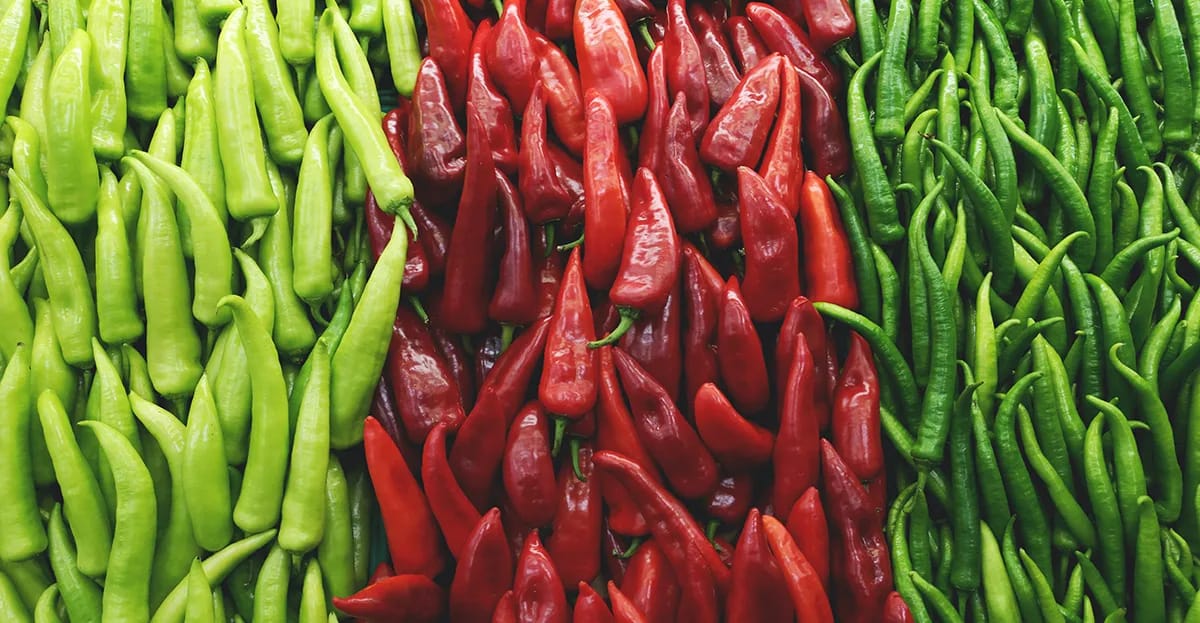
Chili
El chile
ɛl ˈʧile
Elle chee-lay
Cucumber
El pepino
ɛl peˈpino
Elle pay-pee-no
Eggplant
La berenjena
la bɛɾɛ̃nˈxena
La bay-ren-heh-nah
Okra
La ocra
la ˈokɾa
La oh-kra
Plantain
El plátano macho
ɛl ˈplatano ˈmaʧo
Elle plah-tah-no mah-cho
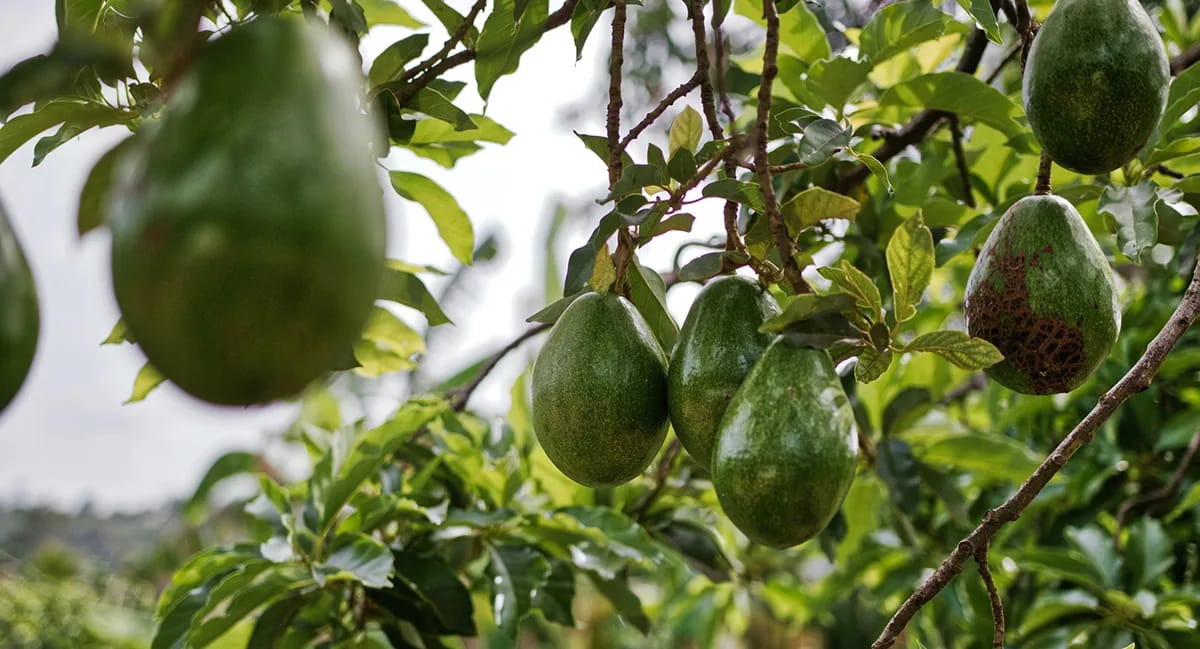
Avocado
El aguacate
ɛl aɣwaˈkate
Elle ah-goo-ah-kah-tay
Pumpkin
La calabaza
la kalaˈβasa
La kah-lah-bah-zah
Spaghetti Squash
La calabaza espagueti
la kalaˈβasa ɛspaˈɣɛti
La kah-lah-bah-zah ess-pah-geh-tee
Tomatillo
El tomatillo
ɛl tomaˈtiʝo
Elle toh-mah-tee-yo
Tomato
El tomate
ɛl toˈmate
Elle toh-mah-teh
Chayote
El chayote
ɛl ʧaˈʝote
Elle chah-yo-teh
Bitter Melon
El melón amargo
ɛl meˈlon aˈmaɾɣo
Elle may-lon ah-mar-go
Jackfruit
La yaca
la ˈɟʝaka
La yah-kah
Vanilla
La vainilla
la bai̯ˈniʝa
La vah-e-knee-ya
Winter Melon
La calabaza china
la kalaˈβasa ˈʧina
La kah-lah-bah-zah chee-nah
Bell Pepper
El pimiento
ɛl piˈmjɛ̃nto
Elle pee-me-en-toh
Cayenne Pepper
El pimiento de Cayena
ɛl piˈmjɛ̃nto ðe kaˈʝena
Elle pee-me-en-toh day kah-ye-nah
Habanero
El habanero
ɛl aβaˈnɛɾo
Elle ah-bah-nay-ro
Jalapeño
El jalapeño
ɛl xalaˈpeɲo
Elle ha-lah-pay-nyo
Peperoncino
El peperoncino
ɛl pepɛɾõnˈsino
Elle peh-peh-ron-chee-no
Seeds and Legumes in Spanish
Seeds and legumes are fantastic sources of plant - based protein. Even if you’re not a vegetarian, consuming plant protein is a great way to improve digestion and help our organs do their job. Plus, if you’re a fan of Mexican and Latin American food, you’ll find that legumes like black beans, corn, and chickpeas are staple foods in these regions.
English
Spanish
IPA Spelling
Pronunciation
Beans
Los frijoles
los fɾiˈxoles
Los free-hole-ess
Black Beans
Los frijoles negros
los fɾiˈxoles̬ ˈneɣɾos
Los free-hole-ess
Pinto
Los frijoles pintos
los fɾiˈxoles ˈpĩntos
Los free-hole-ess peen-toss
Kidney Beans
Los frijoles colorados
los fɾiˈxoles koloˈɾaðos
Los free-hole-ess koh-lo-rah-dos
Edamame
El edamame
ɛl eðaˈmame
Elle eh-da-ma-meh
Peas
Los chícharos
los ˈʧiʧaɾos
Los chee-cha-ross
Snow Peas
Los tirabeques
los tiɾaˈβekes
Los tee-rah-beh-kess
Snap Peas
Los guisantes
los ɡiˈsãntes
Los gee-san-tess
Corn
El maiz
ɛl ˈmai̯s
Elle mah-is
Chickpea
El garbanzo
ɛl ɡaɾˈβãnso
Elle gar-bahn-zo
Fava Beans
Las habas
las ˈaβas
Las ah-bass
Lentil
La lenteja
la lɛ̃nˈtexa
La len-tay-ha
Peanut
El cacahuate
ɛl kakaˈwate
Elle kah-kah-ooh-ah-teh
Soybean
La soya
la ˈsoʝa
La so-ya
Sea Vegetables in Spanish
Sea vegetables are easily forgotten as most people don’t think of underwater crops when they think of vegetables. However, sea vegetables are a staple of East Asian cuisines, with Japanese culture being one of the most eager to incorporate sea vegetables. So, if you’re a fan of sushi and Japanese food, you’ll want to learn the vocabulary below.
English
Spanish
IPA Spelling
Pronunciation
Wakame
El wakame
ɛl waˈkame
Elle wah-kah-meh
Sea Lettuce
La lechuga de mar
la leˈʧuɣa ðe ˈmaɾ
La lay-choo-ga day mar
Green Laver
Las algas verdes
las ˈalɣas̬ ˈβɛɾðes
Las al-gas ver-des
Nori
El nori
ɛl ˈnoɾi
El no-ree
Traditional Latin American Vegetables
Learning a new language is a great way to explore new cultures and discover new things. Even if you’re studying Spanish online at home, you can pretend to go on a trip through Latin America by learning about the vegetables local to each country. Here is a non - exhaustive list of some of the local vegetables you can expect to find at the market next time you go to one of these Latin American countries!
English
Spanish
IPA Spelling
Pronunciation
Country
Nopal
El nopal
ɛl noˈpal
Elle no-pal
Mexico
Jicama
La jícama
la ˈxikama
La he-kah-ma
Mexico
Poblano pepper
El chile poblano
ɛl ˈʧile poˈβlano
Elle chee-lay poe-blah-no
Mexico
Chipotle
El chipotle
ɛl ʧiˈpot̚le
Elle chee-poe-tlay
Mexico
Chia Seeds
La chía
la ˈʧia
La chee-ah
Mexico
Red Potato
La papa sabanera
la ˈpapa saβaˈnɛɾa
La pah-pah sah-bah-nay-ra
Colombia
Creole Potato
La papa criolla
la ˈpapa ˈkɾjoʝa
La pah-pah cree-oh-ya
Colombia
Exploding Cucumber
El cuchinito
ɛl kuʧiˈnito
Elle coo-chee-knee-toe
Colombia
Oca
La oca
la ˈoka
La oh-kah
Peru
Ají amarillo chili
El ají amarillo
ɛl aˈxi amaˈɾiʝo
Elle ahi ah-mah-re-yo
Peru
Maca
La maca
la ˈmaka
La mah-kah
Peru
Ulluco
El ulluco
ɛl uˈʝuko
Elle oo-yu-coh
Peru
Water Root
El yacón
ɛl ɟʝaˈkõn
Elle yah-con
Peru
Mashua
La mashua
la ˈmaswa
La mah-shoe-ah
Peru
Purple Corn
El maiz morado
ɛl ˈmai̯s̬ moˈɾaðo
Elle mah-is moe-rah-doe
Peru
Peruvian Corn
El choclo
ɛl ˈʧoklo
Elle cho-clo
Peru
Quinoa
La quinoa
la kiˈnoa
La key-no-ah
Peru
Stuffing Cucumber
La caigua
la ˈkai̯ɣwa
La kai-gua
Peru
Amaranth
El amaranto
ɛl amaˈɾãnto
Elle ah-mah-ran-toh
Peru
Cucumber of the Forest
El pepino del monte
ɛl peˈpino ðɛl ˈmõnte
Elle pay-pee-no del mon-tay
Argentina
Anean Potatoes
Las papas andinas
las ˈpapas ãnˈdinas
Las pah-pas an-dee-nas
Argentina
Squash
El ayote tierno
ɛl aˈʝote ˈtjɛɾno
Elle ah-yo-tay tee-er-no
Costa Rica
Elephant Ear
El tiquisque
ɛl tiˈkiske
Elle tea-keys-kay
Costa Rica
Zapallo Squash
El zapallo
ɛl saˈpaʝo
Elle za-pah-yo
Costa Rica
Dill
El eneldo
ɛl eˈnɛldo
Elle en-el-doe
Costa Rica
Long coriander
El culantro
ɛl kuˈlãntɾo
El cu-lan-troh
Nicaragua
Aloe Vera
El aloe vera
ɛl aˈloe ˈβɛɾa
Elle ah-lo-eh vay-ra
Nicaragua
Tips for Memorizing Vegetables in Spanish
1. Watch Spanish Cooking Videos
Choose vegetarian or vegan recipes to maximize exposure to vegetable vocabulary.
2. Always Ask for a Spanish Menu
Even at local restaurants - challenge yourself to read and order in Spanish.
3. Create Flavor Profile Flashcards
Write what the vegetable tastes like, how it’s cooked, and where it grows - in Spanish.
Frequently Asked Questions
What vegetable is Spain most known for?
Garlic (el ajo) - it appears in almost every traditional Spanish dish.
What vegetables define Mexican cuisine?
Corn, chilies, tomatillos, nopal, and avocado.
Can I bring fresh vegetables across borders?
Usually no - fresh produce is commonly restricted. Packaged items are safer.
Keep Expanding Your Food Vocabulary
You now know over 130 vegetables in Spanish, which is an incredible foundation. From here, you can move on to fruits, meats, drinks, and full recipes. For structured practice, Berlitz UAE can help - whether you learn at the Berlitz Berlitz Jumeirah Centre or the Berlitz JLT Centre in Dubai. Whether you’re learning Spanish for travel, cooking, or pure curiosity - you’re well on your way to sounding like a true foodie en español