Halloween in Canada: Spooky Vocabulary and Traditions in English and French
Author:
Berlitz
Halloween in Canada is easy to join.
Halloween takes place on October 31, and in 2026 it falls on a Saturday. Canadians dress up in costumes, carve pumpkins, decorate their homes, and children go door to door after dark collecting candy. If you're new to Canada, or you're learning English and want to join in with confidence, this guide covers how the night works, the vocabulary you need in English and French, and how to stay safe.
Published October 30, 2026 · By Berlitz Canada · 6 min read
Table of Contents
- What Is Halloween in Canada?
- How Halloween Night Works: Costumes, Pumpkins, and Trick-or-Treating
- Spooky Vocabulary in English and French
- What to Say at the Door
- Halloween in Quebec: l'Halloween and Other Differences
- Halloween for Adults: Office Costumes and Parties
- Halloween Safety: What Health Canada Recommends
- Frequently Asked Questions
What Is Halloween in Canada?
Halloween is a fun, spooky celebration on the evening of October 31. It isn't a public holiday, so people still go to work and school as usual, but neighbourhoods fill up with decorations, costumes, and excited children as the day goes on.
For newcomers, it can look surprising at first: houses covered in cobwebs, giant glowing pumpkins on the porch, and children dressed as everything from superheroes to ghosts. The spirit is playful rather than serious, and almost anyone can take part, whether by dressing up, handing out candy, or simply enjoying the atmosphere.
How Halloween Night Works: Costumes, Pumpkins, and Trick-or-Treating
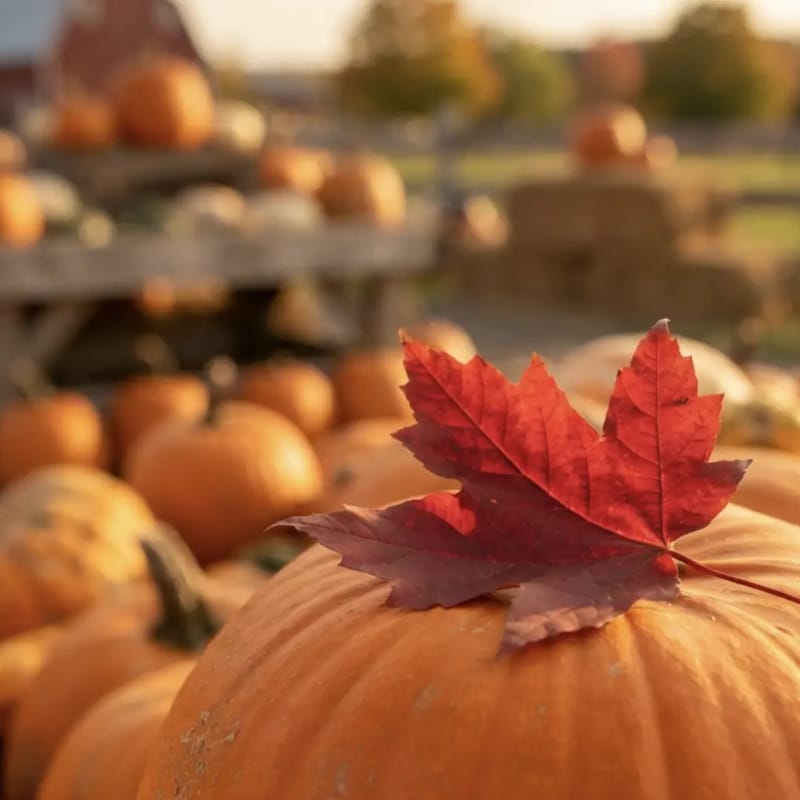
Preparation usually starts weeks earlier. Families buy or make costumes, choose pumpkins, and carve them into jack-o'-lanterns to display outside. Many towns also have pumpkin patches and haunted attractions in October, which are popular ways to get into the mood.
On the evening itself, children walk through their neighbourhoods and ring doorbells to collect treats. This is called trick-or-treating. A simple signal tells everyone which homes are welcoming visitors: if a house has its outdoor lights on, visitors are welcome to knock. If the lights are off, it's best to skip that door.
If you want to take part by handing out candy, keep your porch light on, have a bowl of treats ready near the door, and greet each group with a smile. You don't need a fancy decoration or costume, though a pumpkin by the door is a friendly touch.

Spooky Vocabulary in English and French
Here are the words you'll hear and see most often, with the French equivalents used in Canada.
| English | Français |
|---|---|
| pumpkin | la citrouille |
| jack-o'-lantern | la lanterne-citrouille / la citrouille d'Halloween |
| to carve a pumpkin | sculpter une citrouille |
| costume | le costume / le déguisement |
| to dress up | se déguiser |
| ghost | le fantôme |
| witch | la sorcière |
| skeleton | le squelette |
| bat | la chauve-souris |
| spider web | la toile d'araignée |
| haunted house | la maison hantée |
| candy | les bonbons |
| treat | la friandise |
| doorbell | la sonnette |
What to Say at the Door
You don't need a speech. Children say a short phrase when the door opens, and the person at the door replies warmly. Here are the common exchanges in English, with what you might hear in Quebec French.
| In English | En français (Québec) |
|---|---|
| "Trick or treat!" | "Halloween!" (many children simply say this) |
| "Happy Halloween!" | "Joyeuse Halloween!" |
| "I love your costume!" | "J'adore ton déguisement!" |
| "What are you dressed as?" | "Tu es déguisé en quoi?" |
| "Here you go!" | "Tiens, voilà!" |
| "Thank you!" | "Merci!" |
Halloween in Quebec: l'Halloween and Other Differences
If you're building your French in Canada, Halloween is a great case study in how Quebec French has its own character. In Quebec, the word is usually treated as feminine, so you'll see l'Halloween and hear "Joyeuse Halloween!" rather than the masculine form used in France. There's also a Quebec expression, passer l'Halloween, which means to go trick-or-treating.
The famous English phrase "trick or treat" has a French translation, des bonbons ou un sort, but many Quebec children don't use it in real life. They simply say "Halloween!" when the door opens. Noticing small differences like these is part of the fun if you want to learn French the way people actually speak it in Canada.
Halloween for Adults: Office Costumes and Parties
Halloween isn't only for children. Many workplaces hold a costume day or a small party, and friends often get together for themed evenings. If you're invited, you don't have to dress up elaborately: a simple accessory, like a hat or a mask, is enough to join in.
For the workplace, check what's acceptable first, and keep your costume friendly and professional. Safe conversation starters at a party include "Love your costume! What are you?" and "Are you dressing up this year?" They're easy, positive questions that get people talking.
Halloween Safety: What Health Canada Recommends
A little preparation keeps the night fun for everyone. According to Health Canada's Halloween safety guide, these are the key habits to follow.
- Choose a costume that fits well. Long or loose costumes can lead to trips and falls, and bright colours or reflective tape make children easier to see at night.
- Use face paint instead of masks when possible. Masks that don't fit properly can block vision and make breathing difficult.
- Keep flames away from costumes. Choose fabrics that are less likely to catch fire, and remember that "flame-resistant" does not mean fireproof.
- Let adults carve the pumpkins. Use flashlights or battery-powered candles instead of open flames.
- Only visit homes with the outdoor lights on, stay in well-lit areas, and have young children supervised by an adult.
- Check treats before eating them. Throw away anything opened, damaged, or homemade, and don't give small, hard, or chewy candies to children under three.
Frequently Asked Questions
When is Halloween in Canada?
Halloween is on October 31 every year. In 2026, it falls on a Saturday.
Is Halloween a day off in Canada?
No. It isn't a public holiday, so most people work and study as usual. Many schools and workplaces do hold costume days or events.
What do you say when you go trick-or-treating?
In English, children say "Trick or treat!" at the door. In Quebec, many children simply say "Halloween!" and the person at the door replies "Joyeuse Halloween!"
How do I know which houses welcome trick-or-treaters?
Houses with their outdoor lights on are welcoming visitors. If the lights are off, it's best to skip that door.
Want to feel confident in everyday conversations like these? Join our in-person classes and practise with a live instructor.